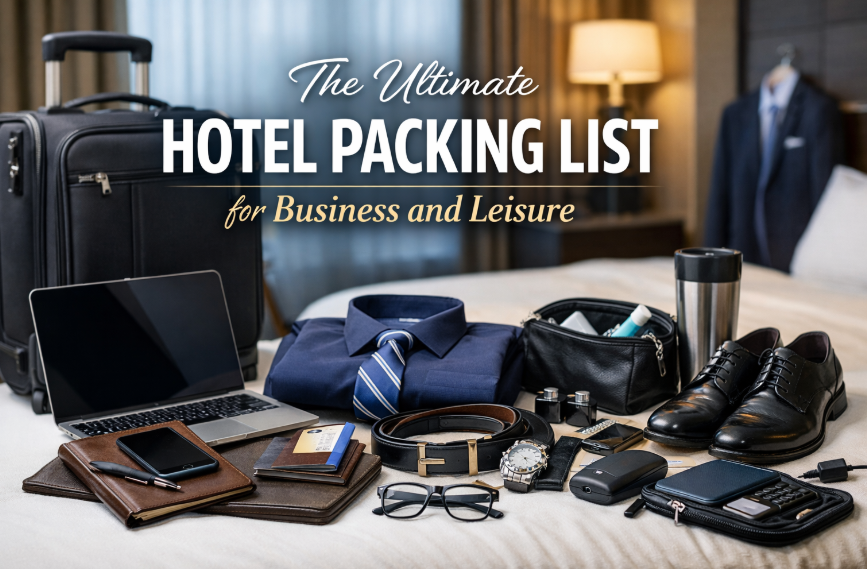
Why a Hotel Packing List Matters for Business and Leisure Travel
A hotel packing list is more than a simple checklist, because a smart travel packing list protects your time, your comfort, and your travel budget. When you pack with a hotel checklist, you reduce last-minute shopping costs, avoid flight stress, and arrive meeting-ready or vacation-ready with confidence. A professional packing list also keeps your luggage organized, which matters for business travel efficiency and leisure travel convenience. If you want smooth hotel stays, a detailed hotel packing list is the simplest productivity tool you can use before you leave home.
A travel essentials checklist also prevents the expensive “forgotten item problem” that can disrupt business trips and ruin leisure plans. If you forget chargers, medication, or appropriate clothing, you may waste hours searching for replacements and pay premium prices near hotels or airports. A hotel packing checklist improves travel planning, supports stress-free travel, and helps you focus on business performance or relaxation. When your carry-on essentials are packed correctly, you protect work deadlines, improve travel comfort, and minimize baggage delays.
Before You Pack: Smart Planning for Any Hotel Stay
Before you pack your suitcase, the best travel planning step is to define your trip purpose and hotel environment, because business travel packing needs differ from leisure travel packing needs. You should confirm the climate forecast, the dress code for meetings or events, and the hotel’s location, because a city hotel stay requires different travel essentials than a beach resort stay. A smart hotel packing strategy starts with outfit planning, because planned outfits reduce overpacking and improve luggage weight management. When you plan your hotel wardrobe with intention, you pack lighter, travel cheaper, and look more polished.
You should also confirm hotel amenities before packing, because hotel services can reduce what you need to carry. Many hotels provide hair dryers, irons, hangers, basic toiletries, and even laundry services, which can lower your toiletry kit size and reduce clothing quantity. A quick check of the hotel website or booking details helps you decide if you need a travel steamer, a laundry bag, or extra personal care items. When you match your packing list to hotel amenities, you avoid duplication, improve suitcase organization, and create a practical business and leisure travel checklist.
Carry-On Essentials That Protect Your Time and Budget
A carry-on packing list is your travel insurance, because carry-on essentials protect you if checked baggage is delayed or lost. Your carry-on should include travel documents, digital backups, and critical items that support business travel productivity and leisure travel comfort. Carry your passport or ID, boarding passes, hotel reservation details, travel insurance information, and key contact numbers in a secure travel wallet. A digital travel folder on your phone, plus a cloud backup, helps you access confirmations quickly at the airport and at hotel check-in.
Your carry-on essentials should also include health and comfort items that reduce travel fatigue and improve hotel sleep quality. Pack a refillable water bottle, snacks that stabilize energy, and basic medications like pain relief, allergy tablets, or motion sickness support. Add a travel neck pillow, eye mask, and noise-reducing earplugs for better rest on flights and quieter hotel nights. A small hygiene kit with hand sanitizer, wipes, and lip balm supports cleanliness and comfort, especially during long travel days and high-traffic airport transfers.
Work Travel Essentials: Business Packing List That Looks Professional
A business travel packing list should prioritize professional clothing, meeting-ready grooming, and reliable work tools, because business travel performance depends on your presentation and preparation. Pack a blazer or structured jacket, wrinkle-resistant shirts, tailored pants or skirts, and a smart belt that matches your business shoes. Choose business outfits that mix and match, because a capsule wardrobe improves packing efficiency and keeps your luggage light. Neutral colors and versatile layers help you adapt to conference rooms, client dinners, and unpredictable office temperatures.
Your business travel essentials should also include an office-grade tech kit that supports remote work, presentations, and secure connectivity. Pack a laptop, phone, noise-canceling headphones, and a portable charger for uninterrupted productivity. Include all necessary cables, charging bricks, and a universal travel adapter if you travel internationally, because power compatibility is a critical business travel requirement. Add a backup USB drive or secure cloud access, plus a compact notebook and pen for quick meeting notes. If your job involves pitching or presenting, pack an HDMI adapter or presentation clicker to avoid technical failures in hotel meeting spaces.
Leisure Travel Essentials: Vacation Packing List for Relaxation and Fun
A leisure travel packing list should focus on comfort, flexibility, and activity-based items, because vacation packing is about enjoying your destination without hassle. Pack breathable daywear, comfortable walking clothes, and at least one outfit for dinners or nightlife, especially if your hotel offers restaurants or nearby attractions. Choose fabrics that dry quickly, because quick-dry clothing supports beach days, pool time, and spontaneous adventures. A light jacket or cardigan is a smart travel layer for air-conditioned lobbies, cooler evenings, or rainy weather.
Your vacation packing list should also include destination-specific extras that protect your experience and your travel budget. If you plan beach or pool time, pack a swimsuit, cover-up, flip-flops, and a compact microfiber towel if you want an extra towel beyond hotel supply. If you plan outdoor activities, pack a hat, sunglasses, sunscreen, insect repellent, and comfortable sneakers or trail shoes. For city exploration, a crossbody bag or anti-theft daypack supports safe travel and easy access to essentials. When leisure travel packing matches your itinerary, you spend less time shopping and more time enjoying your hotel stay and destination.
The Best Toiletry Kit for Hotels
A hotel toiletry kit should be compact, TSA-compliant, and personalized, because your skincare routine and hygiene needs are unique. Start with travel-size shampoo, conditioner, body wash, and moisturizer, even if the hotel provides toiletries, because hotel products may not match your skin type or hair needs. Pack a toothbrush, toothpaste, floss, deodorant, and a razor to maintain daily comfort and professional grooming. Use leak-proof travel bottles and a clear toiletry bag for faster security checks and cleaner luggage organization.
Your hotel toiletry checklist should also include skincare and grooming items that support confidence during meetings and comfort during leisure time. Pack facial cleanser, sunscreen, lip balm, and a basic skincare routine that prevents dryness from flights and air-conditioned hotel rooms. For business travel grooming, include hair styling products, nail care, and a small fragrance or deodorizing spray. For makeup users, pack essential makeup items in a minimal travel kit to reduce clutter and speed up morning routines. A well-built toiletry kit reduces stress, improves hotel readiness, and supports a polished travel appearance.
Health, Safety, and Wellness Items for Hotel Stays
A health-focused packing list supports safe travel, because hotel stays and travel days can expose you to fatigue, changing climates, and unfamiliar food. Pack essential medications, including prescriptions in original packaging, plus common travel health items like pain relievers, anti-diarrheal tablets, allergy support, and rehydration salts. Add a small first-aid kit with bandages, antiseptic wipes, and blister care, because walking-heavy trips can cause foot issues quickly. If you have sensitive sleep needs, pack melatonin or sleep support approved for you, plus a travel-friendly magnesium option if it fits your routine.
Safety essentials for hotel stays should be practical, portable, and non-alarming, because personal security matters in both business and leisure travel. Carry a doorstop or portable door lock for extra privacy, especially in budget hotels or unfamiliar locations. Use an RFID-blocking wallet for card security, and keep an emergency cash reserve separate from your main wallet for travel risk management. A small flashlight or phone flashlight backup supports navigation during power outages or late-night room entry. When your hotel packing list includes health and safety items, you travel with confidence and reduce avoidable travel disruptions.
Tech and Entertainment: Stay Connected Anywhere
A reliable travel tech kit improves hotel productivity and travel enjoyment, because connectivity is essential for work calls and leisure planning. Pack a phone, laptop or tablet, charging cables, and a power bank with enough capacity for long days. If you travel internationally, a universal adapter and voltage-compatible chargers protect your devices and prevent hotel charging problems. Consider a compact power strip, because hotel rooms sometimes have limited outlets, especially near bedside tables and work desks.
Entertainment essentials make hotel downtime more enjoyable, because business travel and leisure travel both include waiting time and recovery time. Pack wireless earbuds or headphones, a Kindle or e-reader, and downloaded offline content like movies, podcasts, or playlists. A small tripod or phone stand helps with video calls, content creation, or travel photos, especially if you want stable images in hotel rooms. If you’re traveling for extended periods, a portable mouse and keyboard can make remote work and hotel desk setups more efficient. Smart tech packing keeps you productive, entertained, and prepared.
Shoes and Accessories: Pack Light, Look Sharp
Shoes can ruin or save a trip, because uncomfortable footwear turns hotel travel into a painful experience. For business travel shoes, pack one pair of formal shoes that match most outfits, plus one comfortable pair for walking or commuting. For leisure travel shoes, pack versatile sneakers, sandals, or activity shoes based on your itinerary. If you pack shoes strategically, you reduce suitcase weight and create more space for clothing and toiletries. Use shoe bags to keep luggage clean and keep footwear organized.
Accessories complete your look and improve travel practicality, because small items can provide big value during hotel stays. Pack a belt, watch, and minimal jewelry that matches your business wardrobe or leisure outfits. Consider a compact umbrella, because city hotels often involve walking between meetings, restaurants, and transport stations. A travel scarf can function as warmth, style, and even a light blanket on flights. When accessories serve multiple purposes, your hotel packing list becomes more efficient and your travel style stays sharp.
Laundry and Clothing Care: Stay Fresh on Longer Trips
Laundry planning is an underrated travel skill, because long hotel stays require fresh clothes without overpacking. Pack a lightweight laundry bag to separate worn clothes from clean clothes, which improves suitcase organization and reduces odor. A small travel detergent sheet or travel soap helps you wash essentials in a sink, especially for socks, underwear, or workout gear. If your hotel offers laundry services, you can pack fewer outfits and schedule laundry mid-trip for a more minimalist travel strategy.
Clothing care tools keep you looking professional, because wrinkles and stains can damage your business appearance and your travel confidence. Pack a wrinkle-release spray, a lint roller, and stain remover wipes for quick fixes in hotel rooms. If you frequently travel for business, a compact travel steamer can be a valuable investment, especially when hotel irons are unreliable or unavailable. Shoe deodorizer or odor-control sprays can also help after long travel days. When clothing care is part of your hotel packing list, you stay polished with minimal effort.
Packing for Different Hotel Scenarios
Different hotel types require different packing priorities, because conference hotels, resorts, and boutique city hotels offer different services and environments. For conference hotel stays, pack business attire, name badge accessories, and presentation tools like adapters and backup storage. Conference travel also benefits from comfortable shoes, because you may stand and walk for hours across meeting rooms and exhibition halls. A business-friendly backpack or laptop bag improves mobility and protects your work gear between sessions.
For resort hotel stays, pack swimwear, sun protection, and casual resort wear that matches the hotel’s dining and activity culture. Resorts often involve water activities, so waterproof phone protection and quick-dry fabrics improve convenience. Boutique city hotels may have smaller rooms, so packing cubes and compact toiletries help with space management. In busy city destinations, anti-theft bags and secure storage planning improve safety. When you tailor your hotel packing list to the hotel scenario, you travel smarter and enjoy better comfort.
The Best Packing Method: How to Fit More Without Overpacking
The best packing method starts with outfit planning, because planned outfits prevent unnecessary clothing and reduce luggage weight. Build a capsule wardrobe by choosing neutral colors and layering pieces that work for both business and leisure settings. For example, one blazer can upgrade a casual outfit for a business dinner, and one clean sneaker can work for city walking and casual meetings. When each item serves multiple roles, your hotel packing list becomes lighter without losing style or utility.
Packing cubes, rolling techniques, and smart layering improve suitcase efficiency, because structure creates space and prevents clothing chaos. Use packing cubes to separate business clothes, leisure clothes, and undergarments for faster hotel unpacking. Roll casual clothing to reduce wrinkles and fold structured clothing to protect shapes and fabrics. Place heavy items at the bottom of the suitcase near the wheels for balance and easier transport. Keep your most-used items near the top so you can access essentials quickly after hotel check-in.
Printable Hotel Packing List: Master Checklist
A master hotel packing checklist makes travel repeatable, because a reusable checklist reduces decision fatigue and prevents forgotten items. Start with documents and money: passport or ID, boarding passes, travel insurance, credit cards, emergency cash, hotel confirmations, and a digital backup folder. Add carry-on essentials like medications, phone charger, power bank, and hygiene basics to protect against baggage delays. Include keys to your home, luggage tags, and a pen for forms or quick notes.
Next, include clothing, toiletries, tech, and extras based on your trip type. For business travel clothing, pack meeting outfits, formal shoes, and professional accessories; for leisure travel clothing, pack comfortable outfits, swimwear, and activity gear. For toiletries, pack travel-size hygiene products, skincare, and grooming tools; for tech, pack laptop, headphones, adapters, and cables. Extras can include a reusable water bottle, travel umbrella, laundry bag, and a small first-aid kit. A master checklist turns hotel packing into a fast, reliable routine.
Common Packing Mistakes and How to Avoid Them
Overpacking is the most common travel mistake, because more items create more stress, more weight, and more disorganization. Avoid overpacking by planning outfits and limiting shoes, because shoes take the most suitcase space and add heavy weight. Use the “mix-and-match rule” where every top matches multiple bottoms and every layer works across several outfits. Packing fewer, better items improves hotel room organization and reduces the time you spend searching through luggage.
Another major mistake is forgetting high-impact essentials like chargers, medications, and backups, because these items are expensive or difficult to replace quickly. Prevent this by keeping a dedicated travel pouch for tech accessories and a dedicated travel pouch for medications and health items. Always pack a small set of emergency essentials in your carry-on, including a spare shirt, underwear, and hygiene basics. Check your hotel packing list the night before departure and again before leaving your home, because a final checklist scan reduces travel anxiety and improves readiness.
Conclusion
A well-designed hotel packing list for business and leisure travel is the fastest way to upgrade your travel experience without spending more money. When you plan outfits, confirm hotel amenities, pack carry-on essentials, and organize your luggage with a clear checklist, you arrive confident, prepared, and comfortable. Whether you’re heading to meetings, conferences, beach resorts, or city adventures, the right travel essentials checklist helps you save time, reduce stress, and enjoy a smoother hotel stay from check-in to checkout.
FAQs
1) What should I always pack in my carry-on for a hotel trip?
Always pack travel documents, essential medications, phone and laptop chargers, a power bank, basic hygiene items, and one emergency outfit to protect against luggage delays.
2) How can I pack light for both business and leisure travel?
Use a capsule wardrobe, choose neutral colors, pack versatile layers, limit shoes to two or three pairs, and rely on hotel laundry services when available.
3) Do hotels provide toiletries, or should I bring my own?
Many hotels provide basic toiletries, but bringing a personal travel toiletry kit is safer because hotel products may not match your needs or quality preferences.
4) What business travel items help me look more professional?
Wrinkle-resistant clothing, a lint roller, stain remover wipes, polished shoes, and a reliable tech kit with adapters and chargers help you look professional.
5) What’s the best way to avoid forgetting important travel essentials?
Use a reusable hotel packing checklist, keep dedicated travel pouches for tech and health items, and do a final checklist review the night before departure.
Read More